A note on how this guide was built: TrundlePaw has not physically tested the litters below in a multi-cat household or measured their odor control side by side. This comparison is built from each manufacturer's published product information, ingredient claims, and pricing, verified directly against manufacturer and major retailer product pages. Any odor-control claim attributed to a specific product below is that manufacturer's own stated claim, clearly presented as such, not an independent finding by TrundlePaw. Some links in this article may include affiliate links, which would be disclosed here and wherever they appear if and when they exist — that relationship would never determine which products were included or how they're compared.
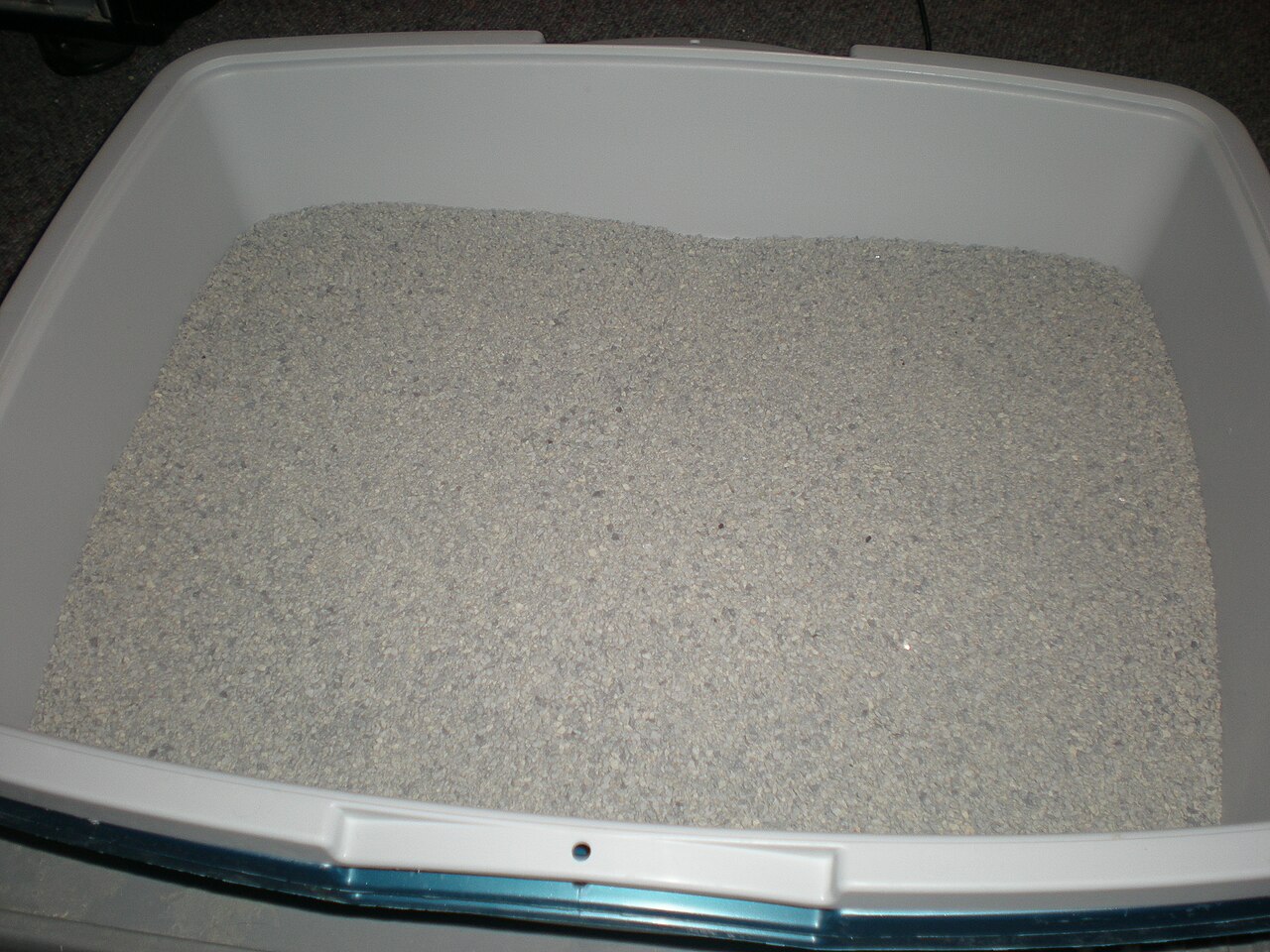
Why litter odor control isn't just one mechanism
Different litters control odor in genuinely different ways, and understanding the mechanism matters more than any single marketing claim:
- Clumping clay litters work primarily through absorption and tight clumping — the faster and more solidly the litter clumps around waste, the more completely it can be scooped out before it has a chance to keep releasing odor into the room.
- Baking-soda or chemical odor-neutralizer additives are added to some clumping clay litters specifically to chemically bind or neutralize odor-causing compounds, on top of the base clumping/absorption mechanism.
- Plant-based litters (corn, wheat, walnut, pine, etc.) rely on the natural absorbency of the base material and, in some formulations, natural clumping, often marketed on being lower-dust and more flushable than clay.
- Silica gel crystal litters work through a different mechanism entirely — extremely high absorbency that dries out waste quickly, which reduces the bacterial activity that causes most litter box smell, generally without clumping.
Comparison criteria
- Litter type/material — what the litter is actually made from, since this determines the odor-control mechanism above.
- Clumping — whether the litter clumps (affecting how completely waste can be scooped) or not.
- Price — U.S. price for a standard or commonly sold bag size, as published by the manufacturer or major retailer at the time of research.
- Stated odor-control approach — the manufacturer's own description of how the product addresses odor.
- Best suited for — the household type or situation each product is generally best matched to.
The comparison
| Litter | Type | Clumping | Price (approx., per bag) | Stated odor-control approach | Best suited for |
|---|---|---|---|---|---|
| Dr. Elsey's Ultra Unscented Clumping Clay | Clay | Yes ("hard clumping, easy scooping") | ~$21 for a 40-lb bag | Manufacturer markets it for "paw-some odor control for multi-cat families," relying on tight clumping and 99% dust-free clay | Multi-cat households that want a straightforward, unscented clumping clay litter without added fragrance |
| Arm & Hammer Clump & Seal Complete | Clay + baking soda | Yes ("rock-solid clumps") | Price varies by retailer and bag size (typically sold in 19–38 lb bags) | Patented "Clump & Seal" technology using moisture-activated micro-granules plus Arm & Hammer baking soda, which the manufacturer states "seals and destroys odors before they can leave the litter box"; backed by a stated 7-day odor-free guarantee | Households specifically prioritizing an odor-neutralizing additive on top of standard clumping clay |
| World's Best Cat Litter, Multi-Cat Unscented | Whole-kernel corn (plant-based) | Yes | ~$35 for a 28-lb bag | Manufacturer states "long-lasting odor control" from natural corn absorbency; also marketed as flushable and septic-safe after testing, and 99% dust-free | Owners who want a plant-based, flushable litter and are comfortable paying a higher per-pound price for that trade-off |
| PrettyLitter | Silica gel crystal | No (non-clumping) | Subscription-based; approximately $24 per bag on the standard recurring plan (introductory first bag typically discounted), delivered roughly every 4 weeks | Advanced odor control via high-absorbency silica crystals that dry waste quickly; also marketed with a color-changing feature intended to flag potential health indicators in urine | Single-cat or lighter-use households interested in the crystal litter's absorbency and willing to manage waste removal without clumping, on an ongoing subscription |
Prices reflect figures found during research at the time of publication and can change; always check current pricing and bag size on the retailer's site, since per-pound cost varies significantly by litter type and bag size and is a better comparison point than sticker price alone.
How to choose between them
- If you want the simplest, most reliable odor control at a moderate price: a straightforward unscented clumping clay litter, like Dr. Elsey's Ultra, is well-suited to multi-cat homes, provided the box is scooped daily — no litter fully compensates for infrequent scooping.
- If your household has already tried standard clumping clay and still struggles with odor: a litter with an explicit chemical odor-neutralizing additive, like Arm & Hammer's baking-soda-based formula, targets that specific complaint directly.
- If flushability, lower dust, or a plant-based ingredient list matters more than price per pound: a corn or other plant-based litter like World's Best Cat Litter is the category built around that trade-off, at a real cost premium per pound compared to clay.
- If you want the litter itself to help you notice potential health changes, on top of odor control: a color-changing crystal litter like PrettyLitter markets that feature specifically — but see the important caveat below before treating it as a diagnostic tool.
An important caveat on "health-monitoring" litter
Some crystal litters, including PrettyLitter, market a color-changing feature described as flagging possible urinary or kidney-related health indicators. Independent veterinary sources confirm that urine color and clarity can genuinely reflect underlying health issues — VCA Animal Hospitals notes that urine colors other than yellow, or increased cloudiness, can indicate injury or disease — so this kind of feature can be a genuinely useful early prompt to pay closer attention to your cat. But a litter color change is not a diagnosis, and it is not a substitute for veterinary testing (urinalysis, bloodwork, imaging) if you notice a change in your cat's litter box habits, urination, or the litter's color. If you see anything unusual, the right next step is a veterinary visit, not waiting to see what the litter does next.
What else affects odor beyond the litter itself
- Scooping frequency matters more than litter choice. Daily scooping has a bigger effect on odor than almost any product difference between the litters above.
- Box size and number of boxes. The general guideline commonly cited by veterinary behaviorists is one litter box per cat, plus one extra, spread across different locations in multi-cat homes — a single box serving multiple cats will smell worse regardless of litter type.
- Full litter changes. Even the best clumping litter needs a full change and box wash on a regular schedule (not just top-ups), since odor can accumulate in the unclumped base layer and in the box itself over time.
- Ventilation and box placement. A litter box in a small, poorly ventilated closet or bathroom will smell more noticeable than one in a more open, ventilated space, independent of litter choice.
If you're setting up gear for a first cat or kitten and litter is just one item on a longer list, our essential gear for a new puppy guide uses the same research-based comparison approach for dog gear — the same principle (compare by criteria, don't assume price equals quality) applies whether you're shopping for a dog or a cat. If you specifically have a Maine Coon or another large breed, litter box size and scooping needs can differ meaningfully from an average-sized cat — see our Maine Coon cat breed guide for what that breed's size means for everyday supplies like this.
Sources
- Chewy — Dr. Elsey's Ultra Unscented Clumping Clay Cat Litter, 40-lb bag (retailer product listing)
- Arm & Hammer — Clump & Seal Complete Odor-Sealing Clumping Litter (manufacturer product page)
- Chewy — World's Best Multi-Cat Unscented Clumping Corn Cat Litter, 28-lb bag (retailer product listing)
- PrettyLitter — official site (subscription pricing and product claims)
- VCA Animal Hospitals — Urinalysis (independent veterinary source on urine color/appearance as a health indicator)
Sources verified during editorial review, September 2026.