A note on how this guide was built: TrundlePaw has not physically tested the scratchers below. This is a research-based comparison built from each manufacturer's published specifications — dimensions, materials, and list price — verified against the manufacturer's own product page or a major retailer's listing for the same product. Where a spec wasn't publicly confirmed, that's noted rather than estimated.
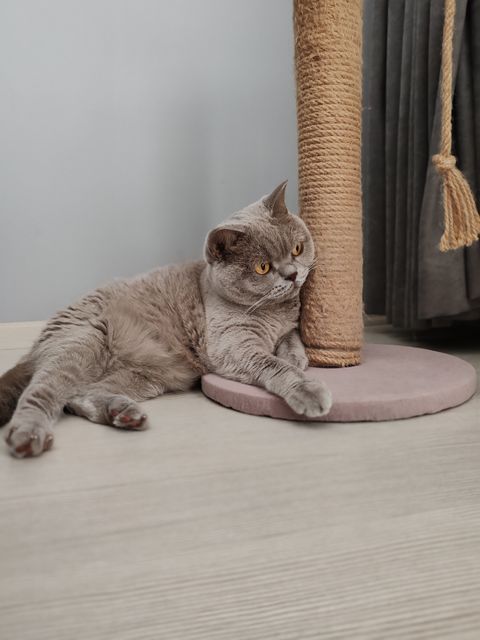
Scratching Is Normal Behavior, Not a Problem to Eliminate
Cats scratch to shed the outer sheath of their claws, stretch their spine and shoulders, and mark territory both visually and through scent glands in their paws — it's a normal maintenance and communication behavior, not destructiveness for its own sake. The realistic goal isn't stopping scratching; it's giving a cat a surface they prefer over the couch. Our guide to how to stop a cat from scratching furniture covers the behavioral side of that redirection in depth — this article focuses on the products themselves, and the two are meant to be read together rather than as substitutes.
Why This Matters Beyond the Couch
Furniture damage is the reason most people start shopping for a scratcher, but claw health and stretching are the reasons the behavior exists in the first place, and both matter independently of whether a household has furniture worth protecting. A cat that never has an appropriate outlet for the behavior isn't simply "well-behaved" — the scratching urge doesn't go away on its own, and a cat with no suitable surface may direct it at whatever's available, or in rarer cases suppress the behavior in ways that reduce the stretching and claw maintenance it's meant to provide. Providing a genuinely appealing scratcher from the start, even in a household without much furniture to protect, is worth treating as routine care rather than an optional purchase reserved for households already having a scratching problem.
Vertical vs. Horizontal: Cats Have Real Preferences
Some cats strongly prefer a tall, stable post they can stretch upward against with their full body length; others prefer a low, flat or angled surface they scratch at while lying down or standing over. Neither preference is universal, and it's genuinely common for a household with multiple cats to need both orientations represented. A post that wobbles or a pad that slides across the floor when scratched will typically be abandoned quickly regardless of material — stability matters as much as surface material for whether a cat actually adopts it.
Sisal, Cardboard, and the Materials That Actually Matter
Woven sisal rope or fabric is the most common vertical-post material, valued for a coarse texture that shreds satisfyingly under a cat's claws without shredding apart too quickly itself. Corrugated cardboard is the dominant horizontal-scratcher material — cheaper to replace, but it wears out and needs periodic replacement, whereas a well-built sisal post can last years. Carpet-covered posts are increasingly less recommended by behavior specialists — the Cornell Feline Health Center notes that scratching surfaces work best when they feel clearly different from household furniture — specifically because the texture and material are close enough to actual carpet and upholstery that a cat may struggle to distinguish "this is fine to scratch" from "this is the living room rug" — a distinction that matters if furniture scratching is the exact problem you're trying to solve.
Scratching Surfaces Compared
| Product | Design | Materials | Size | List Price (US) | Best For |
|---|---|---|---|---|---|
| SmartCat Ultimate Scratching Post | Single tall vertical post | Woven sisal wrap over a wood core | 32" tall on a 16"×16" base | $64.19–$79.99 (color-dependent) | Cats who prefer a full-body vertical stretch; wide base resists tipping |
| PetFusion Ultimate Cat Scratcher Lounge | Reversible curved horizontal lounge/scratcher | Recycled dense corrugated cardboard, non-toxic corn-starch glue | Manufacturer dimensions not published; sized to double as a resting lounge | $54.95 (seen on Chewy; $149.99 list) | Cats who scratch lying down, and owners who also want a lounging spot |
| Frisco 62-in Modern Cat Tree & Condo | Multi-level tree with two enclosed condos and a top perch | Engineered wood frame, six sisal-wrapped posts, two sisal scratching mats, faux-fur cushions | 62"H × 22"W × 22"L; ~54 lbs assembled | $108.19 | Multi-cat households wanting vertical space, hiding spots, and scratching in one piece |
Notes on Each Product
SmartCat's Ultimate Scratching Post is a deliberately simple product — one tall sisal-wrapped column on a wide, two-piece base specifically engineered to resist tipping, which matters more than most buyers expect, since a post that wobbles on the first scratch is often rejected permanently rather than given a second try. PetFusion's cardboard lounge takes the opposite approach: low to the ground, reversible so both faces wear out before replacement is needed, and doubles as a resting spot, which can help with adoption since cats that already like to lie in that shape or location have an obvious reason to use it. The Frisco cat tree is the most expensive and most complex of the three, but it's solving a different problem — vertical territory and hiding space for multi-cat households, with scratching surfaces built into the structure rather than as the sole purpose of the piece. Reviewers cited in Frisco's own product listing note the top perch can be hard for some cats to reach independently, which is worth knowing if you're specifically buying for an older or less agile cat.
Placement Matters as Much as the Product
A scratching post placed in an unused back room is far less likely to get used than one placed near where the cat already spends time or already scratches — often near a favorite resting spot, a doorway, or directly next to the piece of furniture currently being scratched, at least initially. Behavior guidance generally recommends starting a new scratcher in that highly visible, already-preferred location, then gradually relocating it over time if a less central spot is the long-term goal, rather than starting in the "ideal" location for your home's layout and hoping the cat adapts to it.
What to Do If Your Cat Ignores the New Scratcher
Not every cat accepts the first scratcher offered, and that's a placement or preference problem to solve, not a sign scratching posts don't work for that cat. Try a different orientation (horizontal versus vertical) or material before assuming the whole category is a mismatch, add catnip or a treat trail directly onto the new surface to build a positive first association, and keep the previously scratched furniture surface less appealing in the meantime — double-sided tape or a fabric cover are common temporary deterrents while a cat transitions to the new option. Our full guide on stopping furniture scratching goes deeper into this transition process, including what to do if scratching is paired with other behavior changes.
Replacing a Worn Scratcher
Every material in this comparison eventually wears out, and a heavily frayed or flattened scratcher can actually push a cat back toward furniture if it stops feeling satisfying to use. Cardboard scratchers like PetFusion's are the most disposable by design — the reversible, dual-sided construction is specifically meant to double the usable life before replacement, since flipping to the unused face effectively resets the surface once the first side flattens. A sisal-wrapped post like SmartCat's ages more gradually and more visibly: individual fibers fray and eventually the rope wrap thins enough to expose the wooden core underneath, at which point re-wrapping (sisal rope is sold separately for exactly this purpose) or replacement is worth considering rather than leaving a cat to scratch bare wood. Sisal-wrapped posts integrated into a cat tree, like the six posts on the Frisco model, wear at different rates depending on which posts get used most, and a heavily used single post can be re-wrapped without replacing the entire tree — a meaningfully cheaper fix than most owners realize is available.
How to Choose Between Them
For a single cat with a strong stretching habit, a tall sisal post like SmartCat's is usually the most direct fix. For a cat that already spends a lot of time lying on flat surfaces, a cardboard lounge like PetFusion's tends to get adopted faster because it matches an existing resting preference. For a multi-cat household, a full tree like the Frisco model solves scratching and vertical territory competition in one purchase, which is often the more cost-effective route than buying several single-purpose scratchers separately — our guide to cat trees for large breeds covers tree sizing specifically for bigger cat breeds if that's a factor in your household. And regardless of which surface you choose, keep an eye on more than scratching alone — sudden changes in a cat's general behavior, including increased biting during play, sometimes shows up alongside environmental stress; our guide to stopping a cat from biting and our piece on why cats knead and other common behaviors cover related feline body-language questions that often come up in the same conversation as scratching.
Sources
- Cornell Feline Health Center — Feline Behavior Problems: Destructive Scratching
- Chewy — SmartCat Ultimate 32-in Sisal Cat Scratching Post
- Chewy — PetFusion Ultimate Cat Scratcher Lounge
- Chewy — Frisco 62-in Modern Cat Tree & Condo
Sources verified during editorial review, September 2026. Prices and availability can change.