If Your Dog Just Ate Something Dangerous, Start Here
If your dog has eaten a food known to be toxic (see the list below), is showing symptoms like repeated vomiting, tremors, difficulty breathing, collapse, or seizures, or you're simply not sure whether what they ate is dangerous — contact your veterinarian, an emergency veterinary clinic, or a pet poison control hotline immediately. In the U.S., the ASPCA Animal Poison Control Center can be reached at (888) 426-4435. Don't wait to see if symptoms develop before calling; with several of the toxins below, earlier treatment meaningfully changes the outcome. This section comes first in this article on purpose — everything below is background, not a substitute for that call.
Foods That Are Toxic or Dangerous — Never Feed These to Your Dog
The following list draws on guidance from the ASPCA Animal Poison Control Center and the American Kennel Club. It is not exhaustive of every substance that can harm a dog, but it covers the foods most commonly involved in accidental poisonings.
Veterinary disclaimer. This article is general, informational content. It doesn't diagnose your pet's condition and doesn't replace an in-person veterinary exam. See the full Veterinary Disclaimer.
| Food | Why it's dangerous | Reported signs |
|---|---|---|
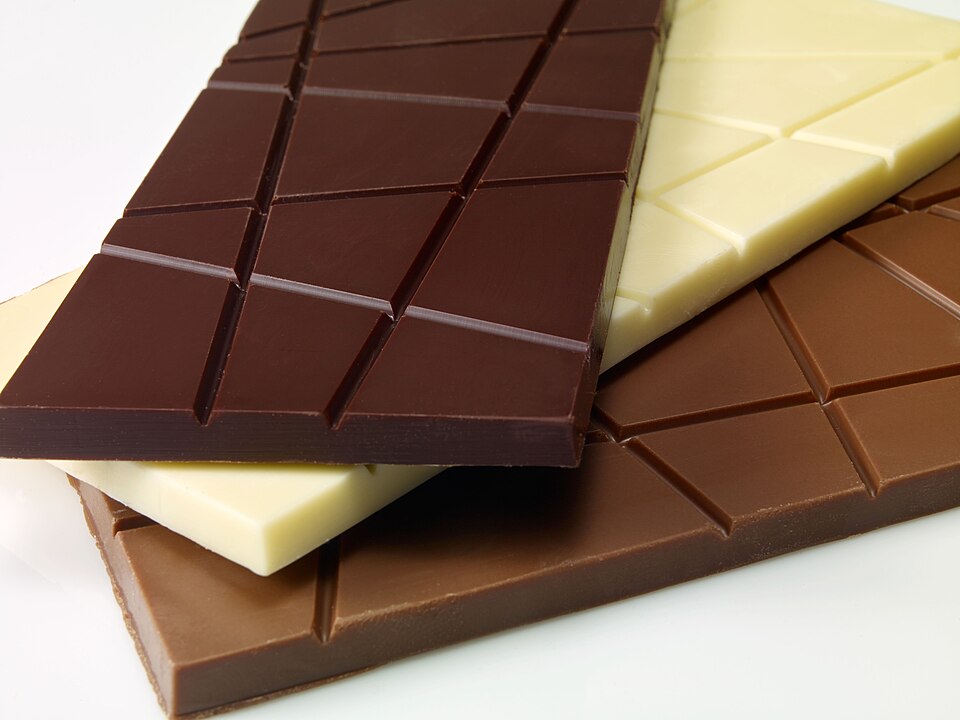
| Chocolate, coffee, caffeine | Contains methylxanthines, which dogs metabolize far more slowly than people | Vomiting, diarrhea, panting, excessive thirst/urination, hyperactivity, abnormal heart rhythm, tremors, seizures |
| Grapes and raisins | Can cause acute kidney failure in dogs; the ASPCA and AKC both note there is no known "safe" amount | Vomiting, lethargy, decreased urination, kidney damage (may not appear immediately) |
| Onions, garlic, and chives (raw, cooked, or powdered) | Damages red blood cells, which can lead to anemia | Gastrointestinal irritation, weakness, pale gums, red or dark urine |
| Xylitol (a sweetener found in some sugar-free gum, candy, peanut butter, and baked goods) | Triggers a rapid insulin release in dogs, causing dangerously low blood sugar; can also cause liver damage | Vomiting, weakness, loss of coordination, seizures, collapse |
| Alcohol and raw yeast (bread) dough | Alcohol is directly toxic; raw dough continues to rise and produces alcohol as it ferments in the stomach, and can cause life-threatening bloating | Vomiting, diarrhea, lack of coordination, difficulty breathing, tremors; dough can also cause a painful, bloated abdomen requiring emergency care |
| Macadamia nuts | Mechanism not fully understood, but reliably causes a toxic reaction in dogs | Weakness (especially hind legs), vomiting, tremors, elevated temperature |
| Cherries (pits, stems, leaves) | Contain compounds that release cyanide | Dilated pupils, difficulty breathing, bright red gums; the fruit flesh itself is less concerning, but pits are also a choking/obstruction hazard |
| Green (unripe) tomatoes and tomato plant leaves/stems | Contain solanine | Gastrointestinal upset; ripe, red tomato flesh in small amounts is generally considered a lower concern, but the plant and unripe fruit are best avoided entirely |
| Excessive salt or very salty foods | Can cause sodium ion poisoning in large amounts | Vomiting, diarrhea, depression, tremors, elevated temperature, seizures |
Foods That Are Best Avoided, Even Though They're Not Classic "Toxins"
These don't carry the same acute poisoning risk as the list above, but veterinary and poison-control sources still advise caution:
- Avocado: According to the American Kennel Club, avocado flesh is not toxic to dogs the way it is to birds, rabbits, or horses — dogs tolerate the compound persin far better. The real risks are the pit (a serious choking and intestinal obstruction hazard that can require emergency surgery) and the fruit's high fat content, which can cause stomach upset or, in susceptible dogs, contribute to pancreatitis. If offered at all, it should be a small amount of plain flesh only, with skin and pit fully removed — and skipped entirely for dogs prone to pancreatitis or carrying excess weight.
- Other nuts (almonds, walnuts, pecans, etc.): Not toxic in the way macadamia nuts are, but high in fat and can cause digestive upset or contribute to pancreatitis; some, like walnuts, can also carry mold toxins if spoiled.
- Milk and other dairy: Many adult dogs have reduced ability to digest lactose, which can cause diarrhea or gas; small amounts of some dairy (like plain yogurt) are tolerated by many dogs, but it's not a given.
- Raw meat, raw eggs, and raw or cooked bones: Raw meat and eggs carry a risk of bacterial contamination (such as Salmonella); bones — raw or cooked — pose a choking and intestinal obstruction/perforation risk, and cooked bones splinter more easily.
- Coconut and coconut oil: Generally considered a lower-risk food, but can still cause loose stools or diarrhea, especially in larger amounts.
Foods That Are Generally Safe for Dogs in Moderation
According to the American Kennel Club, the following are commonly considered safe for most healthy dogs as occasional additions, with some preparation caveats. This is general information, not a recommendation for a dog with a diagnosed health condition, food allergy, or specific dietary restriction — check with your vet if you're unsure.
- Apples — remove the seeds and core first (seeds contain a small amount of a cyanide-producing compound)
- Bananas — fine in small amounts; high in sugar, so not a large everyday portion
- Blueberries
- Watermelon — remove rind and seeds
- Carrots — raw or cooked; a low-calorie, crunchy option many dogs enjoy
- Green beans — plain, without added salt or seasoning
- Plain canned pumpkin (not pie filling) — commonly used to support digestion in small amounts
- Peas
- Cucumber
- Plain, cooked lean meat (chicken, turkey) without bones, skin, seasoning, or sauce
- Plain white or brown rice
Even foods on this "safe" list should be introduced in small amounts, especially for the first time, and shouldn't replace a balanced diet — treats and extras, including safe human foods, are generally best kept to a modest share of your dog's total daily calories, with the rest coming from a complete and balanced food (see our guide on choosing the right dog food).
Frequently Asked Questions
My dog ate a small piece of chocolate — do I need to worry? It depends on the type and amount of chocolate relative to your dog's size (darker, more concentrated chocolate is more dangerous than milk chocolate), which isn't something a general article can safely calculate for your specific dog. Call your vet or a poison control hotline and be ready to describe the type of chocolate, roughly how much, and your dog's weight.
Is it ever okay to give my dog table scraps? Small amounts of the "generally safe" foods above, prepared plainly, are commonly considered acceptable by many veterinarians as an occasional addition — the concerns are usually about which specific foods (see the toxic and best-avoided lists), how much, and how often, not "table scraps" as a blanket category.
What should I keep on hand in case of an emergency? Your vet's phone number, the nearest emergency veterinary clinic's number, and the ASPCA Animal Poison Control Center number ((888) 426-4435) saved somewhere you can find quickly — not just for you if you're away from home, but for anyone else who cares for your dog.
The Bottom Line
A relatively short list of common foods — chocolate, grapes and raisins, onions and garlic, xylitol, alcohol/raw dough, and macadamia nuts chief among them — accounts for most serious dog food poisonings, and none of them are worth the risk "just this once." When in doubt about something your dog ate, treat it as a call to your vet or a poison control hotline, not a wait-and-see situation.
Sources
- ASPCA — Animal Poison Control Center
- ASPCA — People Foods to Avoid Feeding Your Pets
- American Kennel Club — Which Human Foods Can Dogs Eat and Which Are Dangerous?
Sources verified during editorial review, September 2026.