Ragdolls are one of the most popular cat breeds in the United States, largely on the strength of a specific reputation: they're known for going limp and relaxed when picked up, which is where the breed's name comes from. This guide covers what the Cat Fanciers' Association (CFA) and veterinary sources say about Ragdoll temperament and care, the cardiac condition the breed is specifically known to be predisposed to, and what a Ragdoll realistically costs to buy and keep in the U.S.
Veterinary disclaimer. This article is general, informational content. It doesn't diagnose your pet's condition and doesn't replace an in-person veterinary exam. See the full Veterinary Disclaimer.
Quick Facts
| Trait | Typical range |
|---|---|
| Recognized by | Cat Fanciers' Association (CFA); also recognized by other major cat registries |
| Weight | Up to around 20 lbs for males; females typically smaller |
| Life expectancy | Often cited up to around 15–17 years |
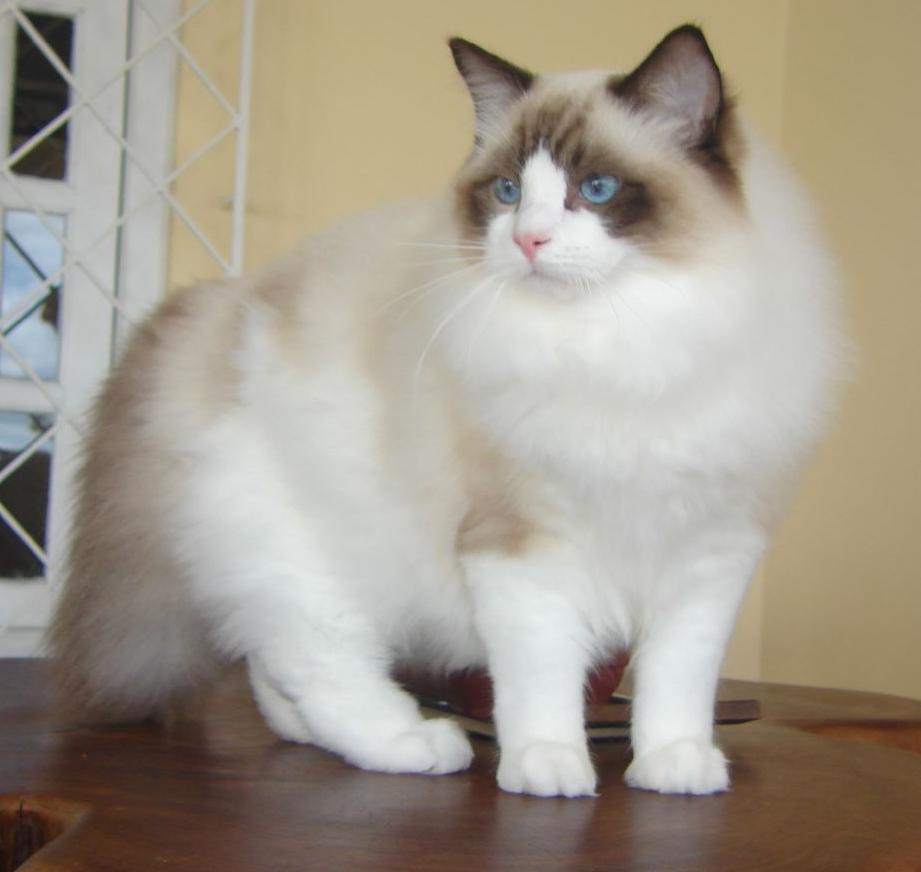
| Coat | Medium-length, plush, low-matting semi-longhair coat |
| Energy level | Low to moderate; known for a calm, laid-back temperament |
| Time to full maturity | Around 3–4 years, including full coat and color development |
| Indoor/outdoor | Strongly recommended as an indoor-only breed |
Sources: Cat Fanciers' Association, PetMD.
Temperament: What Ragdolls Are Actually Like
According to the CFA breed standard, the Ragdoll is described as a large, moderately longhaired cat with a "very laid back" personality, and veterinary-reviewed breed sources consistently describe the breed as exceptionally friendly, social, and affectionate — often ranked among the most people-oriented cat breeds. The breed's famous "floppiness" when held or picked up is a widely reported behavioral trait, not a myth, though the degree varies by individual cat.
Ragdolls are commonly described as preferring company over solitude, following family members from room to room, and tolerating handling well — traits that make them a popular choice for families, but also mean the breed is not well suited to being left alone for long, regular stretches. Veterinary sources specifically note this breed does best when it isn't isolated for extended periods.
Exercise and Enrichment Needs
Ragdolls have a naturally lower energy level than many breeds, but "low energy" doesn't mean "no activity required." Based on veterinary-reviewed guidance:
- Short, interactive play sessions — often described as brief bursts of activity once or twice a day — using wand toys or fetch-style games work well with this breed's play style
- Climbing and window-perch access give a calm cat some physical outlet and mental stimulation without requiring high-intensity exercise
- Because Ragdolls can be prone to weight gain and joint strain if inactive, regular light play is still a meaningful part of preventive care, not an optional extra
Grooming Needs
Ragdolls have a medium-length, plush coat that is genuinely less prone to matting than some other longhaired breeds, partly due to a lighter undercoat, but it still requires consistent attention:
- Comb (rather than just brush) once or twice a week — veterinary grooming guidance specifically notes combing is more effective than brushing for this coat type
- Increase frequency during seasonal shedding, particularly in spring
- Start grooming, nail trimming, and ear cleaning routines early in kittenhood, since veterinary sources note this makes cats more tolerant of handling as adults
Health Issues Ragdolls Can Be Prone To
Veterinary disclaimer: The following is general breed-level health information based on veterinary sources, not a diagnosis. It does not mean an individual cat will develop these conditions, and any concern about a specific cat's health should go to a licensed veterinarian, not to this article.
As with the Maine Coon, the most clinically significant condition associated with this breed is a specific heart disease:
- Hypertrophic cardiomyopathy (HCM): According to North Carolina State University College of Veterinary Medicine's genetics program, HCM is a common heart disease in Ragdolls, and the onset is variable — many affected cats develop it between roughly 1–2 years of age, though some don't show it until 6–8 years old. NC State's genetics program has identified a MYBPC3 gene mutation specifically associated with HCM in Ragdolls (a different specific mutation than the one identified in Maine Coons, though the same gene and disease name), and, as with Maine Coons, the condition shows incomplete penetrance — some cats with the mutation never develop clinical disease, and some cats without it can still develop HCM through other causes. HCM involves thickened, enlarged heart muscle that can reduce cardiac output and, in serious cases, lead to blood clot formation or congestive heart failure. Genetic testing is available via cheek swab or blood sample, and cats testing positive are generally advised to have regular veterinary cardiac monitoring (including periodic echocardiograms), per NC State's guidance — though a negative genetic test does not rule out HCM entirely, since not all cases in the breed are linked to the identified mutation.
- Bladder stones, referenced in veterinary breed-health overviews as a concern in the breed.
- Obesity and related joint problems, particularly relevant given the breed's naturally lower activity level.
- Food and seasonal allergies, noted by veterinary sources as a general concern in the breed.
Practical implications for a prospective owner: ask breeders whether the parents have been tested for the Ragdoll-specific MYBPC3 mutation, understand that testing negative doesn't eliminate all HCM risk, and treat routine veterinary checkups (including periodic heart auscultation) as a meaningful part of long-term care given this breed's documented cardiac risk profile. Because Ragdolls are also specifically described by veterinary sources as trusting and not especially "street-smart," keeping the cat strictly indoors is both a safety recommendation and, indirectly, a way to avoid unrelated trauma-related veterinary emergencies.
How Much Does a Ragdoll Cat Cost? (U.S. Estimates)
Note on prices: Figures below are U.S. estimates for general planning. Prices and availability can change and vary by breeder, pedigree, coat pattern, and region — treat these as ranges, not quotes.
Purchase or adoption
Ragdoll kittens from breeders are commonly reported in U.S. pricing guides in a range of roughly $800 to $2,500+, with health-tested (HCM-screened) lines and specific coat patterns or colors sometimes commanding a premium. As with Maine Coons, purebred Ragdolls are less commonly found in general shelters, so breed-specific rescues are usually the most realistic lower-cost adoption route when available.
First-year and ongoing costs
General U.S. cat-ownership cost research (not breed-specific) cites an ongoing annual range of roughly $710 to $2,865 (about $60–$240/month) for food, litter, and routine veterinary visits. A Ragdoll's larger-than-average size pushes food costs somewhat above the low end of that range, and the value of periodic cardiac screening given the breed's HCM risk is a reason to plan for veterinary costs on the higher side of typical, similar to the Maine Coon.
Pet insurance
Average U.S. accident-and-illness pet insurance premiums for cats are commonly reported around $36 per month, according to recent U.S. insurance-cost research. As with any breed with a documented cardiac predisposition, it's worth specifically checking how a given insurance policy handles hereditary or breed-specific conditions before choosing a plan, rather than assuming coverage is uniform across insurers.
Cost summary table
| Cost category | Typical U.S. range (estimate) |
|---|---|
| Purchase price (breeder) | ~$800–$2,500+ |
| Adoption fee (breed rescue, when available) | Typically lower than breeder price; varies by organization |
| Ongoing annual cost | ~$710–$2,865 |
| Pet insurance (monthly, average) | ~$36/month |
| HCM genetic screening (informational, per cat) | Reported by veterinary genetics labs in the range of roughly $35–$45 per test |
Prices and availability can change. These are U.S. estimates intended for planning, not fixed prices.
Is a Ragdoll Right for You?
A Ragdoll tends to suit a household that wants a calm, highly affectionate, people-oriented cat, can commit to regular combing for the coat, is prepared to keep the cat strictly indoors, and is comfortable with the ongoing awareness (and possible cost) of a breed-specific cardiac risk. It's a weaker fit for someone who is away from home for very long stretches on a regular basis, since Ragdolls are specifically described by veterinary and breed sources as a breed that doesn't do well with extended isolation.
Frequently Asked Questions
Do Ragdoll cats actually go limp when you pick them up? Yes — this is a widely reported, breed-characteristic trait, not marketing. The degree of "floppiness" varies by individual cat, but the general tendency toward relaxed, trusting body language when handled is consistently described in CFA and veterinary-reviewed breed sources.
Are Ragdolls indoor-only cats? Veterinary sources specifically recommend keeping Ragdolls indoor-only, citing the breed's trusting, non-street-smart temperament as a safety concern outdoors, separate from general indoor-cat safety recommendations that apply to most breeds.
Is Ragdoll hypertrophic cardiomyopathy the same as in Maine Coons? Both breeds can develop HCM linked to mutations in the same gene (MYBPC3), but the specific mutations identified in Ragdolls and Maine Coons are different, and a genetic test for one breed's mutation does not test for the other's. Any decision about testing or treatment for an individual cat should involve a veterinarian.
How much grooming does a Ragdoll need compared to other longhaired cats? Less than many longhaired breeds, according to veterinary grooming guidance, because the coat has a lighter undercoat and is less prone to matting — but it's not maintenance-free, and regular combing (rather than just brushing) is still recommended.
Sources
Sources verified during editorial review, September 2026.