If your newly adopted dog is showing signs that could indicate a medical emergency — such as severe difficulty breathing, repeated collapse, uncontrolled bleeding, suspected poisoning, or a seizure — contact a veterinarian or an emergency animal hospital immediately. The guidance below covers the adoption process and typical adjustment period; it isn't a substitute for veterinary care if something seems urgently wrong.
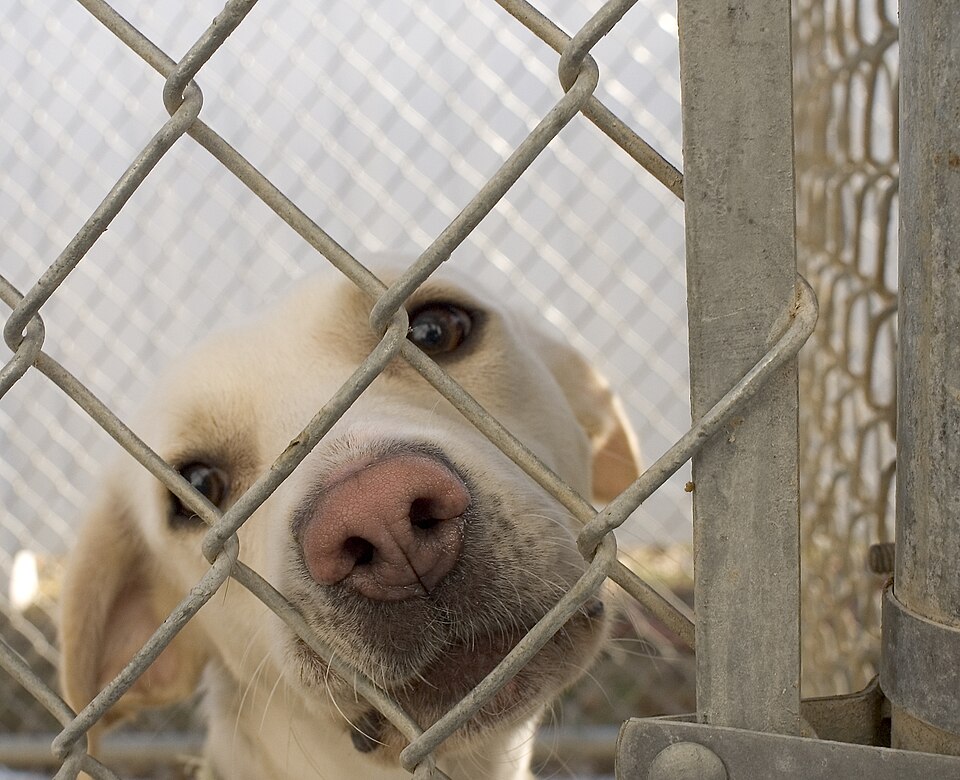
Adopting a rescue dog is one of the more rewarding ways to bring a dog into your life, and it's also a process with real steps, real questions worth asking, and a genuine adjustment period that's easy to misread if you don't know what's normal. This guide walks through the shelter or rescue process itself, what to ask before you commit to a specific dog, and what the first days, weeks, and months tend to look like — so you go in with realistic expectations rather than a first-week disappointment.
If you haven't already worked through whether a dog is the right fit for your life at all, our should you get a dog checklist is worth reading first — the questions here assume you've already made that broader decision and are focused specifically on the adoption path.
How the Shelter or Rescue Adoption Process Typically Works
Processes vary by organization, but most U.S. shelters and rescues follow a broadly similar path:
- Browse and meet. Many shelters list adoptable dogs online, but an in-person meet-and-greet matters — photos and brief descriptions don't capture temperament well.
- Application. Most organizations require a written application covering your living situation, household members, other pets, and sometimes references or a landlord's confirmation that pets are allowed.
- Interview or home check. Some shelters conduct a short interview; a smaller number of rescues (particularly breed-specific or foster-based rescues) may request a home visit, especially for dogs with known behavioral needs.
- Adoption fee and paperwork. Fees vary significantly by shelter, region, and sometimes the dog's age or breed popularity — there is no single standard fee, so ask directly rather than assuming a number. Fees often include some combination of vaccinations, spay/neuter, and a microchip, but confirm exactly what's included before treating the fee as your total cost.
- Take the dog home, sometimes the same day and sometimes after a waiting period, depending on the organization's process.
Questions Worth Asking the Shelter Before You Commit
Drawing on general shelter-adoption guidance, a few questions are worth asking about any specific dog you're seriously considering:
- What is this dog's history, if known? Understanding how and why a dog ended up at the shelter — a stray, a surrender, a return — can inform what kind of training or patience the dog may need, though shelters don't always have complete histories, especially for strays.
- Were any behavior assessments done, and what did they show? Many shelters conduct some form of temperament evaluation; ask what was observed, particularly around other animals, children, food, and handling.
- What medical care has the dog already received? Ask specifically about vaccination status, spay/neuter status, heartworm testing, and any known medical conditions or medications.
- What's the actual timeline to bring the dog home? Some shelters allow same-day adoption; others require an application review period, especially for rescues operating through foster networks.
- What does the adoption fee include, exactly? Confirm whether vaccinations, spay/neuter, and microchipping are included, since this materially affects your real first-cost.
- What food has the dog been eating? Knowing the current diet lets you either continue it or transition gradually to a new food, which is easier on a dog's digestion than an abrupt switch.
What the First Days, Weeks, and Months Tend to Look Like
Shelters and rescue organizations commonly reference a general "3-3-3" framework — popularized in adoption guidance including from the ASPCA's professional resources — as a rough way to set expectations for how a newly adopted dog typically settles in. It's a general pattern, not a guarantee for any individual dog; some dogs settle faster, and some need considerably longer.
The first 3 days: decompression
Expect a dog that's overwhelmed, possibly anxious or withdrawn, and not yet showing its real personality. Common guidance for this stage includes keeping the environment calm and predictable, avoiding overwhelming introductions (new people, other pets, busy outings), and giving the dog space to observe its new surroundings rather than forcing interaction.
The next 3 weeks: settling in
As the initial stress eases, most dogs start to reveal more of their actual temperament — which may look different from the dog you met at the shelter, for better or occasionally for more challenging traits that weren't visible in a stressful shelter environment. This is generally a good window to begin basic routines and low-key training with consistent, positive reinforcement, while continuing to be patient if the dog tests boundaries as it gets more comfortable.
The first 3 months: fuller adjustment
By around the three-month mark, many dogs have settled into the household's routine and the human-animal bond has had real time to develop. Continued consistency — in feeding schedule, walk times, and training approach — tends to support this rather than a single dramatic breakthrough moment.
The honest caveat: these are general timeframes drawn from shelter and veterinary-adjacent guidance, not a fixed clock. A dog with a difficult history, or one that's simply more anxious by temperament, may need considerably longer than three months to fully settle — and that's not a sign that the adoption isn't working.
Signs Worth Watching in the First Days — and the Difference Between "Adjusting" and "Something's Wrong"
Some stress-related behavior in the first few days is normal and expected: hiding, reduced appetite for a day or two, hesitance around new people, or mild digestive upset from the stress of transition and a change in food. It generally improves gradually rather than suddenly.
What's worth treating differently — as a reason to contact a veterinarian promptly rather than assuming it's just "adjustment" — includes: refusing food or water for more than about 24–48 hours, vomiting or diarrhea that's severe, bloody, or persistent, limping or visible pain, unusual lethargy that doesn't track with normal stress, or any of the urgent signs listed at the top of this article. A newly adopted dog's shelter or rescue history means its baseline health picture may not be fully known yet, which is part of why a vet visit in the first week or two — even without an obvious problem — is a good general practice for a newly adopted dog, not just a response to a visible issue. For a broader picture of what illness can look like in dogs generally, see our guide on common signs of illness in dogs.
Setting Up for a Smoother Transition
- Dog-proof before arrival, the same way you would for a curious toddler — secure trash, medications, and anything chewable or toxic.
- Have basic supplies ready: food (ideally matching what the shelter was feeding, at least initially), a crate or defined space, a leash and collar or harness, food and water bowls, and some form of ID tag.
- Set realistic expectations with the rest of the household, including any existing pets, about a gradual introduction rather than an immediate free-for-all.
- Budget for the real first-year cost, not just the adoption fee — see our full breakdown in what it costs to own a dog for the categories most new adopters underestimate.
- Schedule an initial veterinary visit in the first couple of weeks, both to establish a baseline of health and to build a relationship with a vet before you need one urgently.
Adopting a rescue dog works best when you go in with realistic expectations rather than an Instagram-ready picture of instant bonding. Most of the real relationship gets built in the weeks after the excitement of adoption day fades — and that's normal, not a sign anything went wrong.
Sources
- ASPCApro — Pet Adjustment Periods: The 3 Days - 3 Weeks - 3 Months Guide
- PetMD — 6 Questions to Ask at the Animal Shelter
- ASPCA Pet Insurance — Adopting a Rescue Dog: The Ins and Outs and What to Expect
Sources verified during editorial review, September 2026.