A number on a scale doesn't tell you much on its own — a healthy weight depends on your individual pet's breed, frame size, age, and muscle mass, not a single target number that applies to every dog or cat. What veterinary professionals actually use instead is called a Body Condition Score (BCS), a hands-on, visual assessment that works for any breed or size. This guide explains how it works and how to do a rough version of it at home — while being clear that it's a screening tool, not a substitute for your veterinarian's assessment.
Veterinary disclaimer. This article is general, informational content. It doesn't diagnose your pet's condition and doesn't replace an in-person veterinary exam. See the full Veterinary Disclaimer.
Why "is my pet fat" is a more common question than owners realize
According to the Association for Pet Obesity Prevention (APOP), a U.S. organization focused on pet weight, its 2024 owner-reported survey found that 35% of dog owners and 33% of cat owners said their pet was currently overweight or had obesity. The same survey found a gap in awareness: only 45% of dog owners and 40% of cat owners said they were familiar with the concept of Body Condition Score at all, and just 27% of dog owners and 19% of cat owners said their veterinarian had actually given them a BCS number during a visit. In other words, a lot of owners are working from "does my pet look about right to me" rather than a consistent method — which is exactly the gap the BCS system is designed to close.
What the Body Condition Score actually measures
The BCS system, used and published by veterinary organizations including the World Small Animal Veterinary Association (WSAVA) and APOP, scores a dog or cat on a 1-to-9 scale based on visible and palpable (felt-by-hand) fat coverage — not weight alone. Broadly:
| BCS range | General meaning |
|---|---|
| 1–3 | Underweight — ribs, spine, and hip bones are easily visible with little to no fat cover |
| 4–5 | Ideal — ribs are easily felt with a slight fat covering, and a visible waist and abdominal tuck are present |
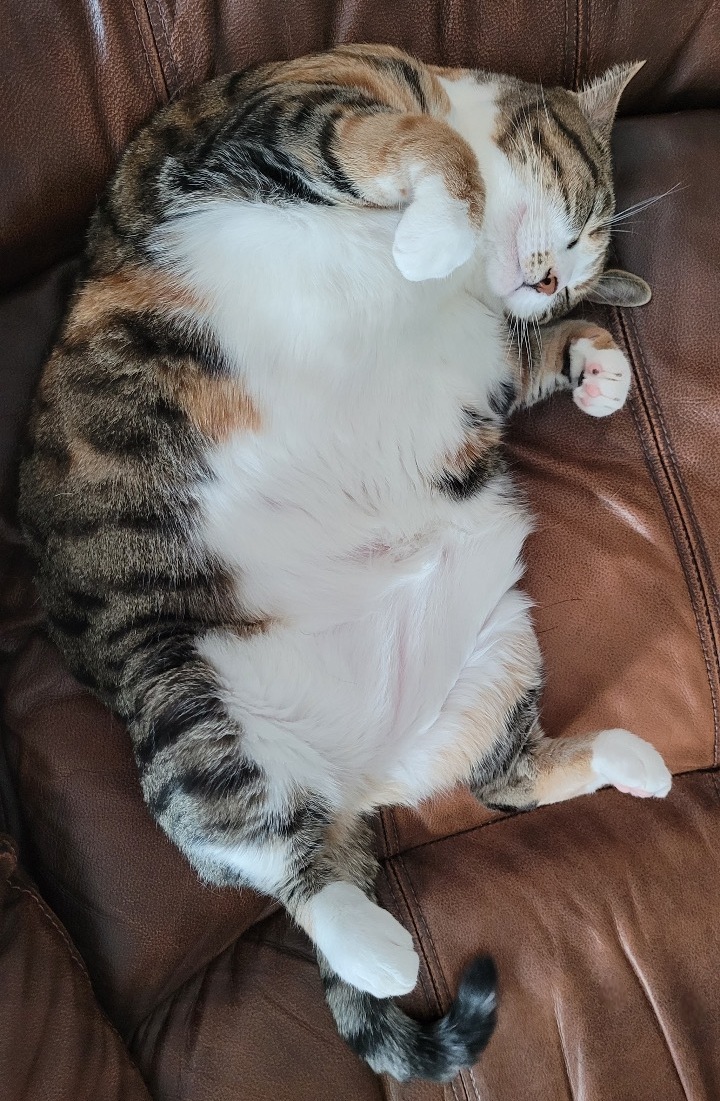
| 6–9 | Overweight to obese — ribs are difficult or impossible to feel under fat, waist is reduced or absent, and in more severe cases there's noticeable abdominal distension |
A BCS of 4 or 5 out of 9 is generally considered ideal for most adult dogs and cats, though your veterinarian is the right person to interpret your individual pet's score, since breed body types vary (a Greyhound and a Bulldog look different at a healthy weight).
How to do a basic check at home
WSAVA's guidance and similar veterinary charts describe checking three main areas. This works best with your pet standing normally, not sitting or lying down:
- Ribs. Run your hands gently along your pet's sides. At an ideal weight, you should be able to feel the ribs without much pressure, with just a slight layer of fat over them — not see them prominently, but not have to press hard to find them either.
- Waist (viewed from above). Looking down at your pet from directly above, there should be a visible narrowing behind the ribs before the hips — an hourglass-like shape. If the body looks more like a straight tube or bulges outward, that suggests extra weight.
- Abdominal tuck (viewed from the side). Looking at your pet in profile, the belly should tuck upward behind the ribcage rather than hanging level with or below the chest.
If you can't easily feel ribs, there's no visible waist, and the belly doesn't tuck up — or your pet's belly appears to sag or hang — those are the classic hands-on signs of extra weight, using the same criteria vets use.
Important: this at-home check is a screening tool to help you decide whether it's worth a conversation with your vet — it doesn't replace a professional assessment, and WSAVA's own guidance is explicit that BCS charts "support education and screening but do not replace a hands-on veterinary assessment." A vet visit is also the only reliable way to distinguish extra fat from other causes of a changed body shape (such as fluid retention or a mass), which a home check can't tell apart.
Why it matters beyond appearance
Carrying extra weight is associated with a higher risk of several health issues in dogs and cats, including joint problems, diabetes, and reduced life expectancy — but this article isn't the place to predict what will happen to your specific pet. If your at-home check suggests your dog or cat may be overweight, the right next step is a conversation with your veterinarian, who can confirm the BCS, rule out other causes, and help set a realistic, individualized target — not a generic diet plan from an article.
What to do if your pet may be overweight
- Get a professional BCS and a target weight from your vet before changing anything significant, since safe weight loss pace differs by species, age, and health status.
- Review portion sizes, not just food type — our guide on how much to feed your dog covers how portions should be based on your dog's target weight and activity level, not just the bag's generic feeding chart.
- Reconsider treats and table scraps, which are an easy source of hidden extra calories.
- Increase activity gradually if your vet confirms your pet is healthy enough for more exercise.
- If you're also evaluating your dog's diet more broadly, our guide to choosing the right dog food covers how to compare options beyond just calorie count.
FAQ
My vet has never given my pet a BCS score — should I ask for one? Given how many owners report exactly this gap (per the APOP survey above), it's a completely reasonable thing to ask about at your next visit — a BCS takes only a minute or two during a routine exam.
Is it possible for a pet to look thin but still be unhealthy, or look "normal" but be overweight? Yes — this is part of why BCS (which is hands-on) is more reliable than eyeballing alone, especially for long-haired breeds where fat can be hidden under fur, or lean-framed breeds that can look slim while still carrying more fat than is ideal for their frame.
Veterinary disclaimer: This article is for general educational purposes only and is not a substitute for a professional veterinary weight and body condition assessment. It cannot diagnose your specific pet as overweight or confirm the cause of any weight change — only your veterinarian can do that.
Sources
- Association for Pet Obesity Prevention — 2024 Survey Reveals Shifts in Pet Obesity Awareness
- Association for Pet Obesity Prevention — Body Condition Score Charts
- WSAVA — Global Nutrition Guidelines
Sources verified during editorial review, September 2026.